Trains have always had a special way of bringing people together — and the TrainStation community proves it every day. Beyond building rail yards and collecting locomotives, players have found something bigger: friendships, teamwork, and even a way to support real railway history. Here are five reasons why TrainStation players keep coming back for more.
1. A Real Diorama, Built By the Community Itself
TrainStation’s connection to real trains goes beyond the screen — quite literally. The community came together to help build a real, physical train diorama, inspired directly by TrainStation 2. Players voted on what got built next, choosing structures, locations, and elements based on real regions from the TrainStation 2 game world, and watched the entire process unfold on the dedicated TrainStation Diorama YouTube series.
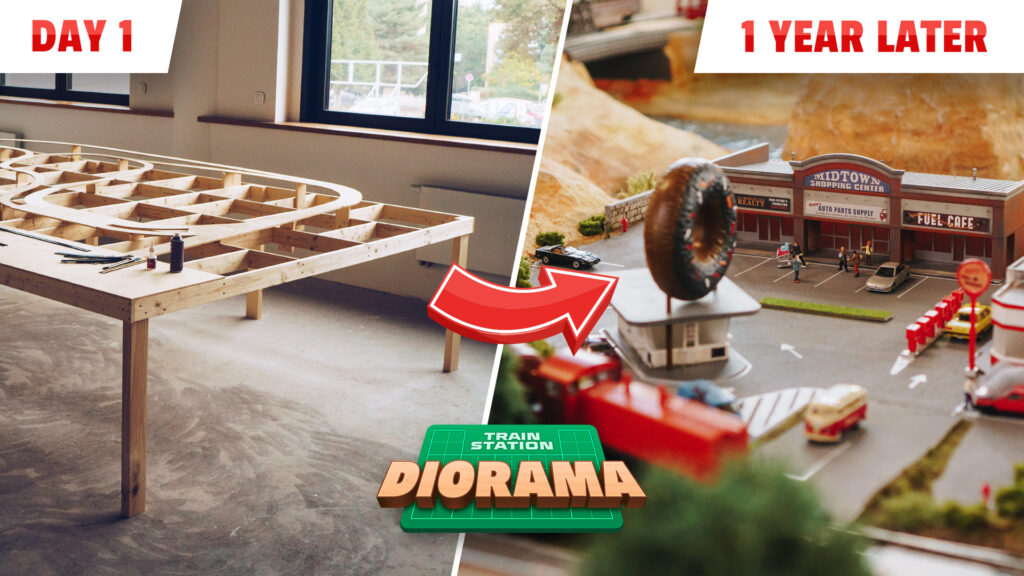
From unboxing locomotives and wagons to building structures and scenery, applying weathering techniques, and hitting every step-by-step milestone — the full build was documented from start to finish. And the huge model railway is still alive and running today: the channel keeps growing with new locomotive unboxings, calm run-through footage of trains rolling across the layout, and how-to videos as the build continues to expand.
Whether you’re into model railroading, HO scale scratch-building, diorama scenery design, or simply want a calm video of a train running through a miniature world, it’s a one-of-a-kind extension of the TrainStation world — built not by a studio alone, but by the players who love it.
2. A Friendly Community of Fellow Train Lovers
TrainStation players enjoy a solid sense of community, connecting across Facebook groups, Reddit, and the Pixel Federation forum, where they trade tips and share reward codes so nobody misses out. That community spirit is backed up by active support for both games — and it’s not just about reporting bugs and getting them fixed. The support team also builds a steady stream of content for players, from update overviews and event guides to gameplay videos, making sure players have everything they need, right when they need it.
3. Teaming Up for Bigger Goals — Unions in TrainStation 2
In TrainStation 2, players don’t have to go it alone. Unions bring groups of players together to work toward shared goals as a team. Members take on different roles and complete daily tasks together, pooling their efforts to reach milestones that would be tough to hit solo.
It’s less about outcompeting each other and more about pulling in the same direction — that sense of togetherness is what makes Unions special. Each season, Unions climb through the ranks, and the strongest ones are recognized for their teamwork. But at its heart, it’s not a race against each other — it’s a shared journey, built on cooperation, consistency, and a little friendly team spirit.
4. Gameplay That Hits the Right Balance
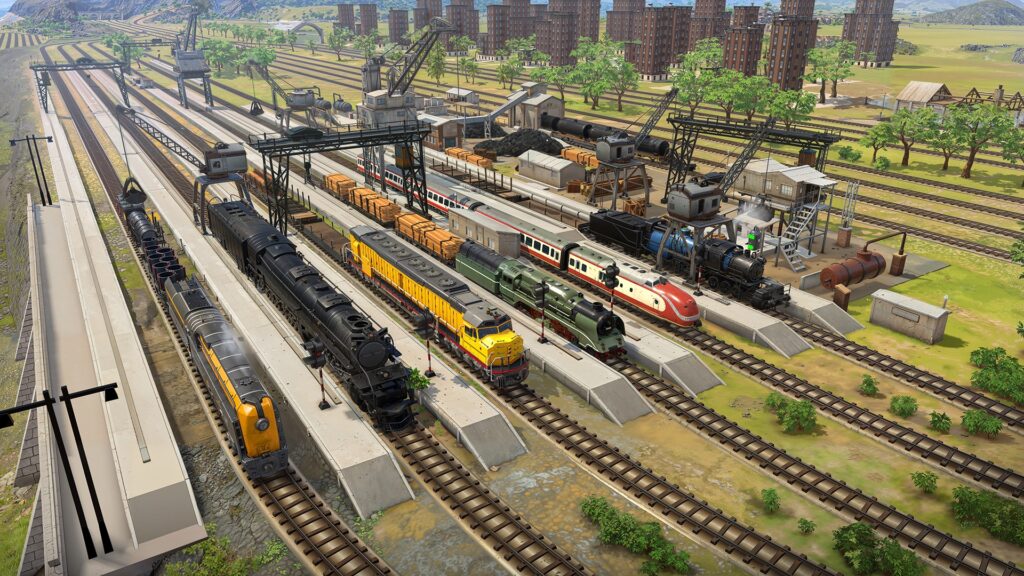
At the core of it all, players keep coming back because the gameplay itself just feels right. Both TrainStation 2 and TrainStation 3: Journey of Steel are built around the same winning formula: careful planning, smart resource management, and real logistics strategy — the kind of satisfying problem-solving that makes every delivery and every new route feel earned.
TrainStation 3: Journey of Steel
TrainStation 2
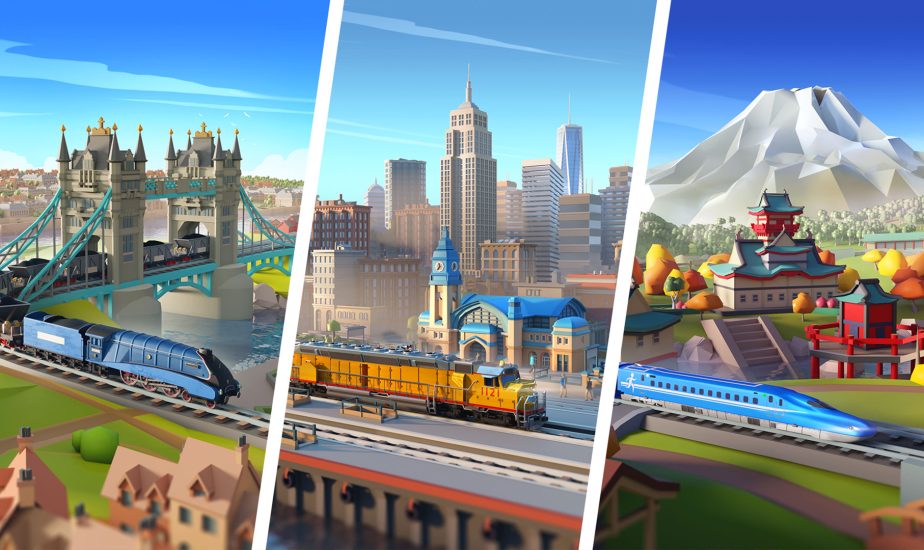
Whether you’re a fan of tycoon mobile games or just discovering the genre, TrainStation makes it easy to dive in. As a free train mobile game, there’s no barrier to entry — just a rewarding, relaxed experience that respects your time. It’s a railway game at heart, letting players explore new regions in TrainStation 2 or progress through historical eras in TrainStation 3: Journey of Steel, all while growing an ever-expanding collection of trains along the way.
And despite all the strategic depth, both games stay true to being a genuinely relaxing train game — low-pressure, satisfying to return to, and built for players who want to unwind while still working toward something bigger.
5. More Than a Game: Save The Rails
Few games let you make a real-world difference just by playing — but TrainStation does, through its Save The Rails initiative. Each season, TrainStation partners with a real heritage railway in need of support, designs a unique in-game locomotive inspired by it, and offers it through a limited-time charity pack in TrainStation 2 and TrainStation 3. Every cent raised goes directly to the real railway.
And the results speak for themselves:
Season 1 – Čierny Hron Railway (Slovakia): players raised €15,373 (~$17,428) to help preserve this unique heritage line.
Season 2 – Lynton & Barnstaple Railway (UK): the community came together to raise €35,000, supporting the volunteers rebuilding this historic narrow-gauge railway piece by piece.
Season 3 – National Museum of Railroad History & Innovation (USA): players contributed over $51,000, helping preserve the birthplace of American railroading and restoration projects like the iconic American Freedom Train No. 1.
For players, it’s proof that their passion for trains can reach far beyond the screen — turning playtime into real preservation of railway history for future generations.
6. A YouTube Channel Worth Subscribing To
The TrainStation community doesn’t stop at the game itself. On the official TrainStation Hub YouTube channel, fans can dive even deeper into the world of trains with content made just for them.
Iron Icons explores the engineering and history behind legendary and rare locomotives that changed rail travel forever.
TrainStories uncovers fascinating, curious facts from the world of big machines and railroads — think „Top 5 worst trains in the world“ or „Top 5 biggest railway machines ever built.“
On top of that, the channel keeps players up to date with the latest game news, updates, and behind-the-scenes content from TrainStation 2 and TrainStation 3. It’s the perfect place for anyone who, as the channel itself puts it, „still stops on a bridge when a freight train rolls underneath.“
Players Say It Best
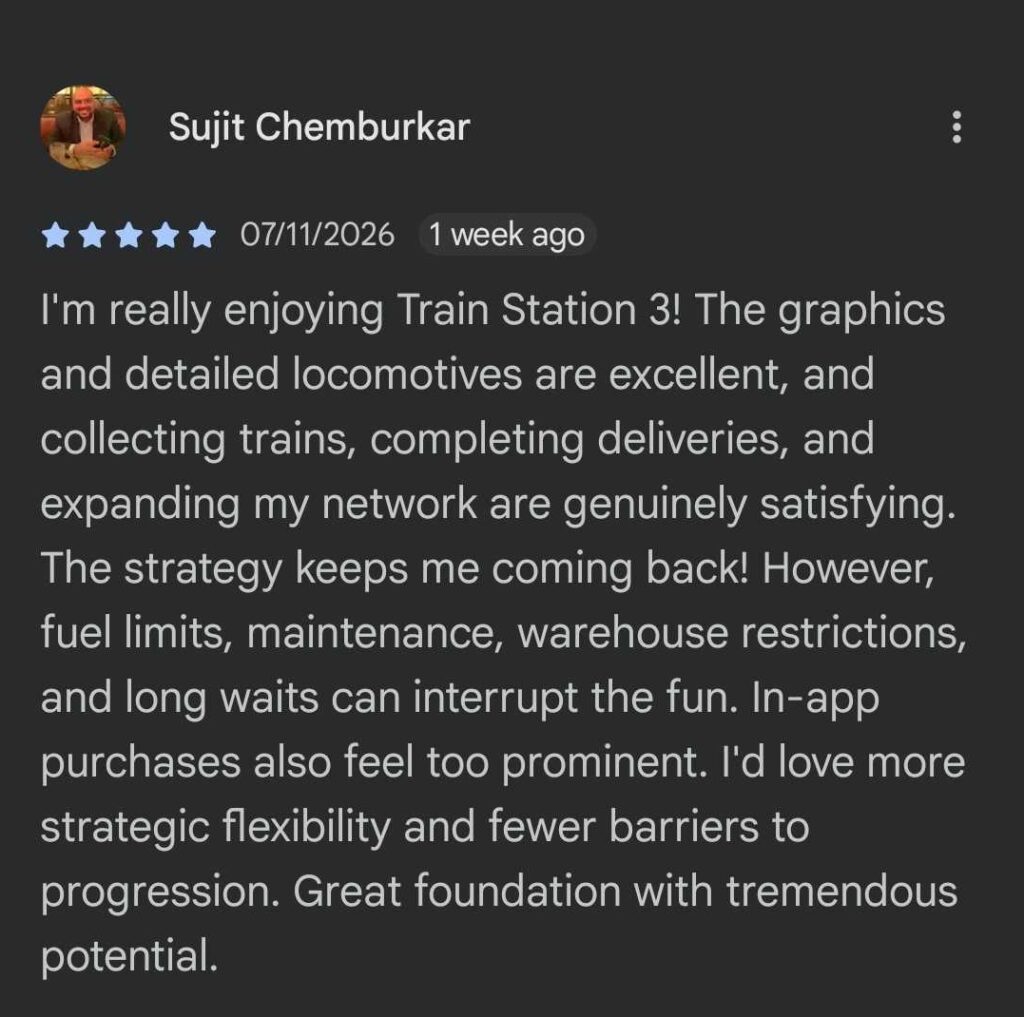
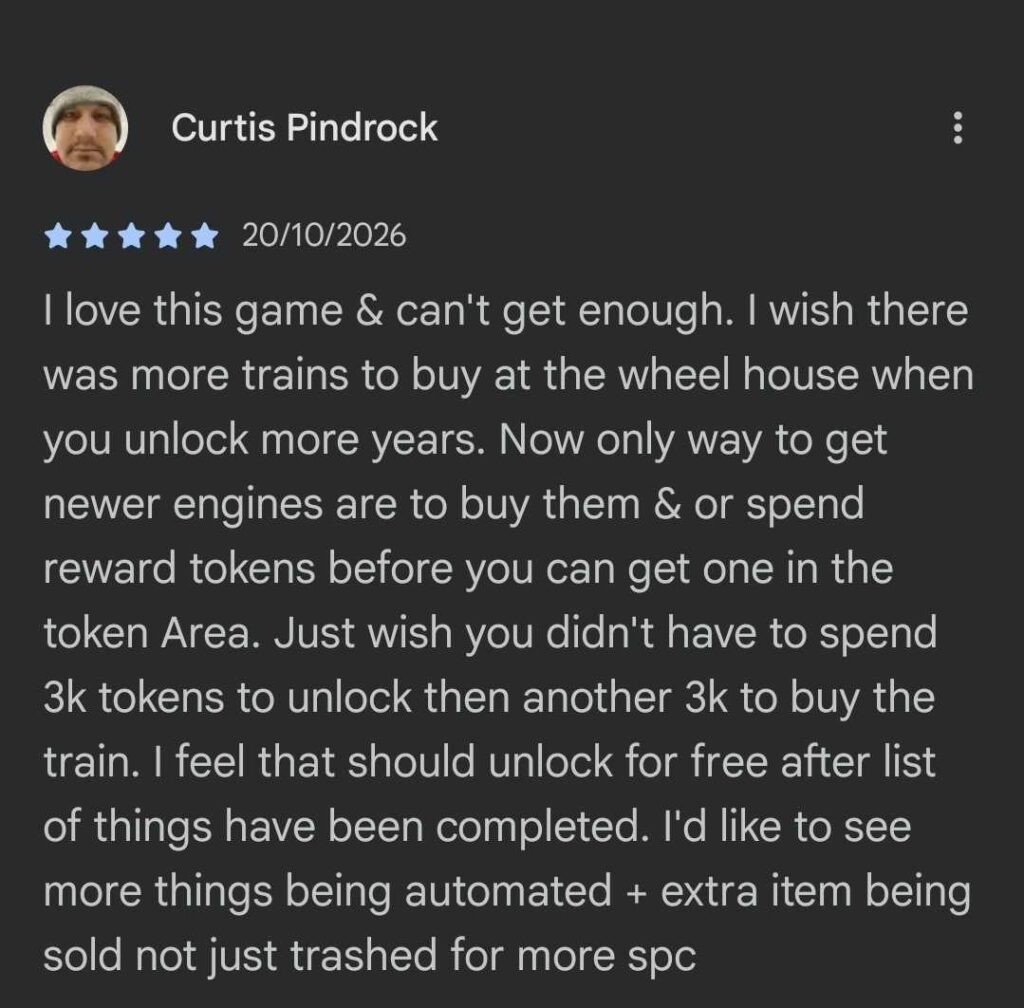
Sometimes the best way to understand why people love TrainStation is to hear it straight from them. On Google Play, TrainStation 3: Journey of Steel holds a 4.4-star rating from over 20,000 reviews, while TrainStation 2 has earned an even broader stamp of approval with a 4.2-star rating from more than 500,000 reviews — players consistently praising its relaxing pace, strategic logistics, and stunning, detailed visuals.
FAQ: TrainStation Community & Features
Is there an active community for TrainStation games?
Yes. TrainStation players connect across large Facebook groups, Reddit, and the official Pixel Federation forum, where they share tips, strategies, and reward codes. Both games are also backed by active support that creates ongoing content like update overviews, event guides, and gameplay videos.
What are Unions in TrainStation 2?
Unions are cooperative player groups in TrainStation 2 where members take on different roles and complete daily tasks together to reach shared goals. Unions compete in seasonal league rankings, but the core focus is teamwork and cooperation rather than rivalry between members.
What is Save The Rails?
Save The Rails is TrainStation’s charity initiative connecting the game with real-world railway preservation. Each season, the team partners with a heritage railway, creates a unique in-game locomotive inspired by it, and offers it through a limited-time charity pack in TrainStation 2 and TrainStation 3, with proceeds going directly to the real railway.
Does TrainStation have a YouTube channel?
Yes. The official TrainStation Hub channel features series like Iron Icons (legendary and rare locomotives) and TrainStories (fascinating facts about big machines and railroads), alongside game news and updates. There’s also a special series TrainStation Diorama documenting a real, physical model railway built with community input.
Is TrainStation 2 or TrainStation 3 free to play?
Yes, both TrainStation 2 and TrainStation 3: Journey of Steel are free to download and play, with optional in-game purchases.
What kind of gameplay can I expect from TrainStation games?
TrainStation 2 and TrainStation 3 are tycoon mobile games built around planning, resource management, and logistics strategy. Players explore regions or historical eras, collect trains, and grow their railway at a relaxed, low-pressure pace.


